Clear Path Reflex Game
Reviews
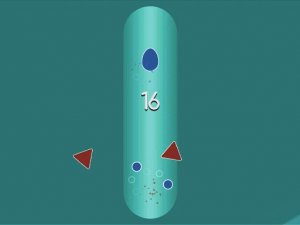
Clear Path Reflex Game succeeds by removing everything except the decision that matters: when to tap and change direction. The procedural difficulty curve means early patterns teach the mechanic while later ones test anticipation and composure. Its endless format and short-session design suit players who want a quick concentration challenge rather than a story or progression system. The limitation is inherent to the genre: without varied modes or goals beyond a personal best, the appeal depends on how much you enjoy refining a single skill.
Description
One-Touch Direction Switching
Clear Path Reflex Game reduces its control scheme to a single input: tapping the screen changes the character's direction. That is the whole vocabulary. You are not managing a dashboard or memorizing combos; you are reading the path ahead and deciding when one tap will keep you clear of the next obstacle. Because the input is so limited, mistakes are easy to understand in hindsight, which makes repeated attempts feel like refinement rather than guesswork.
Procedural Pressure and Pacing
The opening patterns are deliberately forgiving, giving you room to learn how the character responds to a tap. From there, the game raises difficulty procedurally, so obstacle frequency and variety shift as a run continues. You cannot rely on a fixed sequence; you adapt to what appears next. This is what separates a short session from a long one. Early on, the path asks for simple timing. Later, it asks you to anticipate a change before it arrives, and the margin for a late tap narrows.
Session Length and Audience
Designed for short play sessions, Clear Path Reflex Game fits into spare moments without requiring a commitment. The endless structure means there is no final level to reach, only a personal best to chase. Vibrant graphics and smooth performance keep the screen readable while obstacles move. The appeal is broad: younger players can pick up the tap mechanic immediately, while adults looking for a quick concentration exercise get a task that rewards calm, precise input rather than prior gaming knowledge.
Staying Calm Under Speed
Success depends less on twitch speed than on staying composed when the pattern accelerates. Anticipating the next obstacle, keeping taps light to avoid overcorrecting, and noticing rhythmic patterns in how obstacles appear all help. Taking a short break when frustration builds is a practical tactic, because a fresh attempt often produces cleaner timing than a forced one. The game does not punish you for stopping; it simply waits for the next run.






Editorial Notes