4096 Number Merge Puzzle
Reviews
4096 Number Merge Puzzle strips the genre to its essentials: swipe to merge matching numbers, keep the board open, and aim for 4096. Its strength lies in how quickly the rules fade into the background, letting planning and pattern recognition take over. The lack of timers makes it approachable for all ages, though players seeking fast action may find the pace slow. The gradual difficulty curve and uncluttered design make it a solid choice for casual puzzle fans who enjoy incremental progress.
Description
Core Merging Mechanic
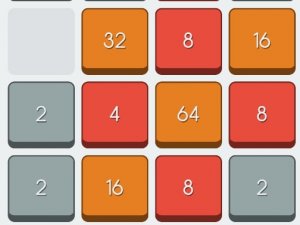
Every move in 4096 Number Merge Puzzle shifts all tiles in one direction until they hit the edge or another tile. When two tiles with the same number meet, they combine into a single tile with double the value—two 2s become a 4, two 4s become an 8, and so on. The objective is to keep merging until a 4096 tile appears. The board starts with tiles numbered 2, and each swipe changes the layout, requiring you to think ahead about where new tiles will appear and how to keep space open.
Controls and Interface
You can play with swipe gestures on a touchscreen or arrow keys on a keyboard. The interface is uncluttered, with colorful tiles on a clean grid, so the focus stays on the numbers. There are no timers or complex menus—just the board and your decisions. This simplicity makes it easy to pick up for a short break or a longer session, but the underlying strategy keeps it from feeling shallow.
Planning and Progression
Success depends on planning several moves ahead. Merging efficiently means keeping the board organized and avoiding a full grid with no possible merges. As you reach higher tile values, the challenge increases gradually, and the sense of progress comes from seeing new numbers appear. The game ends when the board is full and no adjacent tiles share the same number. Players who enjoy pattern recognition and incremental improvement will find that practice sharpens their ability to spot merging opportunities.
Who It Suits
The game appeals to a wide range of players, from children to adults, because the rules are straightforward but the strategy has depth. It works well for short breaks or longer sessions, and the lack of time pressure means you can think through each move. If you like puzzles that reward careful planning over reflexes, this one offers a consistent challenge without overwhelming you.






Editorial Notes