Darts Arcade Club
Reviews
Darts Arcade Club delivers a focused darts experience with 301 and Cricket modes, each requiring different tactics. The tap or click controls are easy to learn, while realistic physics and clear feedback encourage steady improvement. Playing against friends or computer opponents suits both quick matches and extended practice. The family-friendly presentation keeps the focus on skill and strategy rather than spectacle, making it a solid choice for players who enjoy precision sports games.
Description
Two Classic Darts Modes
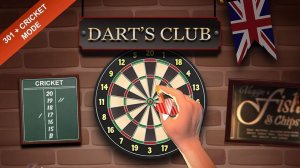
Darts Arcade Club focuses on two well-known darts formats: 301 and Cricket. In 301, each player starts with a score of 301 and works to reduce it to exactly zero, with the final dart required to land on a double. In Cricket, the goal shifts to closing numbers 15 through 20 and the bullseye, then scoring points on those numbers before your opponent closes them. These modes demand different strategies, so switching between them feels like playing two distinct games.
Throwing Mechanics and Controls
Each turn consists of three darts. You aim by moving a cursor or finger across the dartboard and release to throw. The game provides clear feedback after every dart, showing where it landed and how it affected your score. That immediate response helps you adjust your aim for the next throw. Realistic dartboard physics means slight variations in your release point matter, so consistency is rewarded over time.
Opponents and Session Length
You can play against friends or computer opponents. Matches are short enough for quick sessions but also support longer practice if you want to refine your technique. The clean graphics and safe environment make it suitable for players of all ages, with no violent or inappropriate content. Whether you are new to darts or have played before, the simple controls and clear rules make it easy to start.
Strategy That Rewards Planning
In 301, hitting the triple 20 is a high-value target, but you also need to plan how to finish on a double. In Cricket, the priority is closing numbers your opponent has not yet closed, which can block their scoring chances. Learning the scoring rules for each mode lets you plan throws instead of just aiming at the highest number. Taking your time with each throw tends to produce better results than rushing.








Editorial Notes