Animal Memory Match Puzzle
Reviews
Animal Memory Match Puzzle keeps its scope narrow: scratch cards, find pairs, beat the clock. The three-minute limit prevents sessions from dragging, and the tutorial makes it easy for younger players to start. The scratch mechanic adds tactile variety compared to standard flip-and-match games. The main limitation is the absence of described progression beyond score chasing, so players seeking unlocks or varied modes may find it repetitive after several rounds.
Description
Scratch-and-Match Gameplay
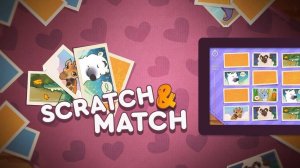
Animal Memory Match Puzzle uses a scratch-card mechanic instead of standard card flips. Players select a card from the grid, scratch its surface to reveal the animal underneath, then try to find its identical partner elsewhere on the board. Matches include giraffes, elephants, monkeys, tigers, rabbits, cheetahs, and polar bears. The interface accepts both touch and mouse input, so the same actions work on phones, tablets, and desktops without adjustment.
Three-Minute Round Structure
Every round lasts exactly three minutes. That limit creates mild time pressure without turning the game into a race. Successful matches add to an on-screen score, and the round ends when the timer reaches zero. Because the clock is fixed, players can compare scores across attempts and set personal records. Replaying is the primary progression path: there are no unlockable levels or currencies mentioned, just the goal of beating a previous high score.
Designed for Younger Players
The tutorial walks new players through the basics before the timer starts, which matters for children who may not be familiar with matching games. Colorful animal illustrations and a cheerful tone keep the experience light. The game targets a family audience, and the lack of complex rules means young children and adults can play the same session without separate difficulty settings. No content in the described mechanics involves violence, competition against other players, or mature themes.
Practical Memory Tactics
Because every revealed animal stays visible until the round ends, the most effective approach is to note each animal's grid position as you scratch it. Working through one section of the grid at a time reduces the number of locations you need to hold in memory. Speed matters less than accuracy, since a wrong guess costs time. Regular short sessions tend to build both recall and scratch speed, and the three-minute format makes it easy to fit a round into a break.





Editorial Notes