Dalgona Puzzle - Steady Hand Challenge
Developer: Ripple Effect Digital
Published: 1709913600
Updated: 2026-09-30
Reviews
Dalgona Puzzle is a straightforward arcade puzzle game built around one mechanic: tracing shapes in a brittle candy surface without breaking them. Its strengths are accessibility and clarity. The mouse-only controls and visual feedback make it easy to understand, while the gradual difficulty curve keeps it engaging. It suits players who enjoy precision tasks and quiet focus. Those wanting speed or complexity should look elsewhere.
Description
The Candy Carving Concept
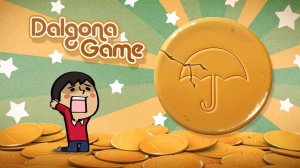
Dalgona Puzzle takes its name from the Korean honeycomb candy that gives the game its shape. Each level presents a new outline pressed into a brittle surface, and your job is to separate the shape from the surrounding candy. The mouse cursor acts as your carving tool. Holding the left button lets you break the candy along the designated line. The challenge is not speed but control: press too hard and the shape cracks, press too lightly and you make no progress. That tension between force and restraint is the whole game. [IMG_1]Reading the Feedback
The game shows exactly where your cursor is working, so you always know how close you are to the edge of the outline. That visual feedback matters because mistakes are permanent within a level. A single slip can ruin an otherwise clean carve. Learning to read the screen and adjust your pressure in real time is the core skill. Because the interface is minimal and mouse-only, there is nothing to manage except your own hand movement. [IMG_2]Progression and Difficulty
Early shapes are simple enough for a first attempt. As you advance, the outlines become more intricate, with tighter curves and narrower margins for error. The difficulty curve is gradual rather than sudden, so the game stays approachable for newcomers while still testing experienced players. There is no timer or score pressure described in the source material, which keeps the pace calm and lets you work at your own speed. [IMG_3]Who This Suits
Anyone who enjoys precision tasks, fine motor challenges, or quiet puzzle games will find something here. The family-friendly presentation and simple controls make it accessible to younger players and older ones alike. It is not a game for people seeking fast action or complex systems. Its appeal lies in focus, repetition, and the small satisfaction of a clean carve.Compatibility
✅ This game supports:
- Desktop browsers (Chrome, Edge, Safari)
- Mobile browsers (Chrome on Android, Safari on iOS)
❌ Does NOT support: - Internet Explorer - Very old browser versions
👉 Try refreshing or updating your browser
Faq
What do I need to play Dalgona Puzzle?
Only a mouse. The left mouse button is used to carve along the outline. There are no keyboard controls or additional inputs required, which keeps the game accessible on most computers without extra setup.
Can I fail a level in Dalgona Puzzle?
Yes. Applying too much pressure or moving off the line can break the candy and ruin the shape. The game provides clear visual feedback, so you can see where you went wrong and try again with better control.
Is Dalgona Puzzle suitable for children?
The game is designed to be family-friendly, with simple mouse controls and no graphic content. Its focus on patience and precision makes it appropriate for younger players, though very young children may find the steady-hand requirement frustrating at first.
How does the difficulty change as I progress?
The shapes become more intricate over time. Early outlines are straightforward, while later ones have tighter curves and less room for error. The increase is gradual, so you build precision skills naturally rather than facing a sudden spike.
Does Dalgona Puzzle require fast reactions?
No. The game rewards slow, controlled movement rather than speed. There is no timer or rush mechanic described. Taking your time and maintaining consistent pressure is more effective than trying to carve quickly.
What skills does Dalgona Puzzle help improve?
The game exercises fine motor control, hand-eye coordination, and sustained focus. Because it demands steady pressure and careful cursor placement, regular play can help build precision habits that carry over to other mouse-based tasks.





Editorial Notes