Cup Pong Challenge Arcade
Reviews
Cup Pong Challenge Arcade strips cup pong down to its essentials: flick, score, and outlast your opponent. The three computer rivals each bring a different style, which adds variety to what is otherwise a very basic loop. Short match lengths and family-friendly visuals make it easy to recommend for casual breaks. The main limitation is depth—there is no progression system or multiplayer, so players seeking long-term goals may lose interest quickly.
Description
From Flick to Score
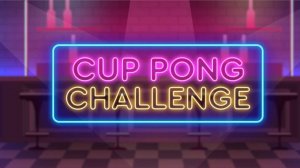
Cup Pong Challenge Arcade recreates the bar-room staple as a solo arcade experience. Your only job is to flick a ping pong ball toward a cup and land it inside. A successful shot adds a point; a miss hands the turn to your opponent. Matches run until one player remains. There are no power meters, spin controls, or hidden stats to manage. The entire game rests on aim and timing, which keeps the learning curve short and the feedback immediate.
Three Rivals, Three Rhythms
Before each match you pick one of three computer opponents. Each rival plays with a distinct style, so the pacing changes depending on who you face. One may fire quickly, another may be more deliberate, and a third may pressure you in different ways. Because the turn order is fixed, you can watch how your opponent approaches their shots and adjust your own flicks accordingly. That small layer of observation gives the game more staying power than its simple premise suggests. [IMG_1]
Controls That Stay Out of the Way
Input is limited to a single flick gesture. On a touchscreen you drag and release with your finger; on desktop you do the same with a mouse. There is no complex button layout to memorize. The challenge comes from judging the right amount of force and the correct angle, not from fighting the controls. Clear visual feedback after every shot tells you whether you were long, short, or on target, which helps you correct your next attempt.
Built for Short Sessions
Matches are short by design. You can finish a round in the time it takes to drink a coffee, which suits players who want a quick break rather than a long campaign. The cheerful, family-friendly presentation avoids harsh imagery, and the turn-based structure means you are never rushed. If you enjoy casual aim-based games and prefer precision over reflexes, this one fits that niche. Players who want deep progression or online competition will find the scope limited.





Editorial Notes