Bounce Puzzle: Ball Drop Adventure

Reviews
Bounce Puzzle: Ball Drop Adventure delivers a focused physics puzzle experience. Its one-touch controls and minimalist presentation lower the barrier to entry, while moving obstacles and spike hazards provide genuine challenge. The game suits players who prefer planning over reflexes and who appreciate a relaxed pace. The main limitation is that the input does not detail level count or offline support, so those specifics remain unclear. Overall, it is a thoughtful choice for short or extended sessions.
Description
Core Bouncing Mechanic
Bounce Puzzle: Ball Drop Adventure is built around a single, consistent rule: the ball moves according to physics. Taps or clicks control bounce height and direction, and every bounce feels natural. The challenge isn't learning complicated inputs—it's reading the level and predicting where the ball will go. Momentum and angles matter, so a gentle tap differs from a forceful one. This makes each attempt a small experiment in cause and effect.
Level Layouts and Hazards
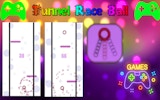
Each level presents a unique arrangement of platforms, moving obstacles, and spike hazards. The goal is a designated safe area; touching any spike ends the attempt. Moving obstacles add timing pressure, while static platforms require careful angle planning. Because layouts vary, no single strategy works everywhere. You observe first, then act. The game rewards patience over speed, and the progressive difficulty keeps later levels from feeling like repeats of earlier ones.
Controls and Accessibility
One-touch controls make the game easy to pick up. Tapping controls the ball's bounce, so there are no complex button combinations to memorize. This simplicity suits short sessions, but mastering the physics takes practice. The minimalist visual design keeps focus on the puzzle, and the atmospheric soundtrack supports a calm mood. The result is a game that can be played casually or in longer stretches, depending on how much you want to concentrate.
Approaching Each Puzzle
Rushing usually leads to mistakes. A better approach is to study the level before moving: note where platforms sit, how obstacles move, and where spikes are placed. Then plan a path and anticipate how momentum will carry the ball. If an attempt fails, try a different angle or a softer tap. Regular practice builds an intuitive sense of bounce height and direction, which makes later levels feel more manageable.





Editorial Notes