Summer Merge Number Puzzle
Reviews
Summer Merge Number Puzzle delivers a straightforward merging mechanic wrapped in bright summer visuals. The core loop of sliding and combining numbered cubes is easy to understand, but effective play requires foresight and grid management. The lack of time pressure and clean interface suit casual players and families. The leaderboard adds a light competitive edge. Its main limitation is the familiar merge formula, which may feel repetitive for veterans of the genre.
Description
Merging Mechanics and Grid Management
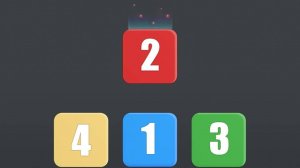
Summer Merge Number Puzzle places numbered cubes on a grid. Players drag or tap to slide these cubes across the board. When two cubes with identical numbers meet, they combine into one cube with double the value: two 2s become a 4, two 4s become an 8, and so on. The objective is to keep merging to reach the largest possible number. Each move shifts the entire grid, so planning ahead matters. The game ends when no further merges are possible, and the final score is recorded.
Summer Theme and Visual Style
The game uses a bright, summer-themed visual design with colorful, inviting colors. The interface is clean and uncluttered, helping players focus on the puzzle. The lighthearted atmosphere makes each session feel relaxed, whether you play for a short break or a longer strategic run. The summer theme is consistent across the visuals, reinforcing the casual, stress-free tone.
Accessibility and Audience
Controls are simple and intuitive, relying on drag or tap gestures. The game is designed to be family-friendly and accessible to players of all ages. A leaderboard system lets you compare your highest scores with friends or other players. The puzzle mechanics reward careful planning and pattern recognition, but the relaxed pace means there is no time pressure. It suits both quick sessions and extended play.
Strategy and Planning
Success depends on keeping the grid organized. Merging blocks as soon as possible helps prevent clutter. Concentrating merges in one area avoids spreading blocks too thin. Planning a few moves ahead lets you anticipate where new blocks will appear. Filling the grid with large numbers early can limit your options, so it is better to build gradually. Patience and regular practice improve your ability to spot merging opportunities.








Editorial Notes