Wilderness Pairing Challenge
Reviews
Wilderness Pairing Challenge takes the familiar tile matching formula and adds a pathfinding constraint: pairs must connect with no more than two 90-degree turns. The forest theme and gentle ambient audio create a relaxed atmosphere, while the absence of time limits lets players think through each move. It suits puzzle fans who enjoy spatial reasoning and short, low-pressure sessions. The main limitation is that the input does not describe advanced modes or multiplayer features, so the experience appears focused on solo, level-by-level play.
Description
Matching Rules and Spatial Logic
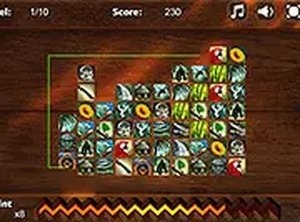
Wilderness Pairing Challenge asks players to select two tiles that share the same symbol and remove them from the board. The catch is that a clear, unobstructed path must exist between the selected tiles, and that path can include no more than two 90-degree turns. This constraint turns what could be a simple memory exercise into a spatial reasoning task. Each successful match reduces the number of tiles, gradually revealing the underlying pattern and moving the player closer to completing the level.
Forest Theme and Calm Presentation
The game uses a colorful, nature-inspired visual style with detailed tile designs that reflect the forest setting. Gentle ambient background sounds create a calm environment for focused play. The interface stays clean and uncluttered, so attention remains on the puzzle rather than on menus or decorative elements. Warm color choices make the experience pleasant during longer sessions.
Browser Access and Touch Controls
This title runs on desktop computers, tablets, and smartphones without requiring any software installation. Controls adapt to touch input on mobile devices, with tile selection responding to taps. A full-screen mode is available for players who prefer an immersive view. The game loads quickly in standard web browsers and does not demand high system resources, making it accessible to a wide audience.
Approaches to Clearing the Board
Clearing tiles from the outer edges often creates new connection opportunities for tiles trapped in the center. Planning several moves ahead helps prevent situations where no valid pairs remain. The hint feature can provide guidance when the board seems stuck, but relying on it too frequently reduces the challenge. Regular play improves pattern recognition and the ability to visualize paths quickly.
Progression and Session Length
Each completed board presents a new arrangement of tiles, ensuring that no two sessions feel identical. The difficulty curve remains steady, gradually introducing more complex tile layouts that require greater attention to path rules. There are no time limits or penalties for slow play, allowing players to proceed at their own pace. This structure makes the game suitable for both short breaks and longer, more deliberate sessions.








Editorial Notes