Pathfinder's Puzzle Quest
Reviews
Pathfinder's Puzzle Quest offers a structured puzzle adventure where route-finding and environmental riddles carry the experience. The four biomes each change how puzzles behave, and the upgrade system adds light strategy by gating certain paths behind new tools. It suits players who prefer thoughtful pacing over action. The main limitation is that the input does not describe multiplayer or replay features, so the appeal rests on the solo puzzle campaign.
Description
Navigating Interconnected Chambers
Each area in Pathfinder's Puzzle Quest is a network of corridors and rooms. The goal is to move the protagonist from one end to the other by reading the environment and choosing the correct path. Progress is not a straight line: gates open only after matching symbols, and moving barriers require timing. New puzzle types appear as players advance, so the challenge grows gradually rather than all at once.
Biomes and Environmental Puzzles
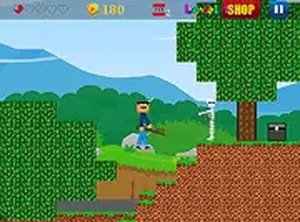
The game world spans four distinct regions: a peaceful village, dark caverns, sandy deserts, and icy northern territories. Each biome changes how puzzles behave. Desert areas may hide passages under shifting sands, while icy floors affect movement and timing. Exploring corners of these biomes often turns up bonus coins and useful items inside chests.
Upgrades and Revisiting Areas
Coins from minor foes and chests serve as the main currency. Players spend them at upgrade stations to improve abilities such as interaction range or defensive capability. Some upgrades are necessary to reach previously blocked areas, which encourages returning to earlier biomes with new tools. Deciding which upgrades to prioritize affects how difficult later puzzles feel.
Riddles and Fair Logic
Riddles appear throughout the game and must be solved to unlock new paths. Clues come from the environment itself, including wall patterns and sound sequences. The design favors logical thinking over guesswork, and the game avoids obscure references, making puzzles accessible to younger players while still engaging for adults.
Final Confrontation
The ultimate goal is to locate a character who has wronged the protagonist and resolve the conflict. This final encounter is a multi-stage puzzle that tests upgraded equipment, biome knowledge, and puzzle-solving skills. Completing it brings a clear conclusion to the story.








Editorial Notes