Safe Path Puzzle
Reviews
Safe Path Puzzle builds its challenge around one clear idea: placing pins to control hazards and platforms, with placement order affecting the outcome. The gradual difficulty curve and lack of timers make it approachable for families and casual players. Its main limitation is the single-solution design, which may frustrate those who prefer open experimentation. Overall, it suits players who value logic and patience over speed.
Description
Pin Placement as the Core Mechanic
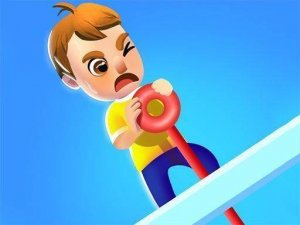
Safe Path Puzzle asks you to place pins that change how a level behaves. Tapping a spot inserts a pin that can stop a moving hazard or hold up a platform. The order in which you place pins matters because a wrong placement can block your own route. Each level has one correct solution, so the game rewards planning over quick tapping.
How Difficulty Grows
Early levels introduce one or two pins and simple obstacles, giving you room to understand how pins interact with the environment. Later puzzles add more hazards and require longer sequences of placements. The difficulty curve is gradual, so you build skills without hitting a wall. Because every puzzle has a single solution, stuck moments often mean you need to rethink the sequence rather than search for hidden tricks.
Pacing and Presentation
There are no timers or complex menus. You can study a layout for as long as you like before placing a pin, which makes the game easy to pick up for a short session or a longer sitting. Bright, cartoon-like visuals use clear colors to mark interactive elements, so it is simple to tell what can be tapped. The overall tone is calm and problem-solving focused, with no violence or stressful audio.
Who It Suits
Players who enjoy logic puzzles and planning ahead will find the most to like here. The family-friendly design and simple tap controls make it accessible to children and adults alike. If you prefer fast reactions or open-ended building, the single-solution structure may feel restrictive, but for patient puzzle solvers it offers a steady, low-pressure challenge.



Editorial Notes