Numeric Flight: Puzzle Action
Reviews
Numeric Flight succeeds by making its rule instantly readable: the number on a block equals the taps needed to clear it. That clarity lets difficulty come from tracking several counts at once rather than from confusing controls. Short rounds and a gradual ramp suit players who want a few minutes of focused tapping. The main limitation is that the input describes no story or progression beyond score chasing, so depth depends on your own target-order decisions.
Description
Matching Taps to Numbers
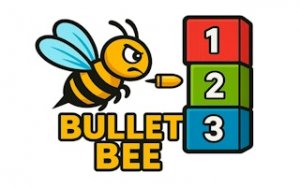
Every block that approaches your character displays a number. That number is the exact tap count required to remove it: a block marked 3 needs three taps, a block marked 5 needs five. The rule never changes, so the challenge comes from reading several numbers at once while blocks close in. [IMG_1]
Choosing What to Clear First
With multiple blocks on screen, target order matters. Clearing a nearby low-count block frees your attention for distant threats, while tackling a high-count block early can prevent a late scramble. The game does not enforce one correct sequence, so you can settle into a comfortable rhythm or push for faster clears.
Visual Clarity and Feedback
Bright colors and distinct shapes separate block types, and each successful tap gives clear visual confirmation. The animated insect character moves with simple, lighthearted motion, and the uncluttered background keeps focus on the numbers. This design reduces eye strain during longer sessions and supports quick, responsive play. [IMG_2]
Pacing and Difficulty
Early rounds introduce only a few blocks, letting you learn the tap-to-number relationship without pressure. As you progress, more blocks appear simultaneously and their numbers become more varied, demanding faster assessment. The ramp is gradual, so beginners can enjoy early rounds while experienced players find later stages genuinely testing.
Short Sessions, Repeat Attempts
A typical round lasts a few minutes, making Numeric Flight suitable for quick breaks. The simple loop of tapping numbered blocks paired with rising difficulty encourages repeated attempts to beat your own score or try a different targeting strategy. There is no story or progression system to manage, just the core task of matching actions to numbers for as long as you can.




Editorial Notes