Sketch & Conquer: Tactical Art Battle
Reviews
Sketch & Conquer: Tactical Art Battle stands out by making drawing the core mechanic for army deployment. The ink system forces meaningful choices between quantity and quality, while unit variety and positional tactics add strategic layers. Progression through gold upgrades supports growing ambition. However, the game's reliance on drawing speed and precision may appeal more to players who enjoy dexterity-based strategy than to those preferring pure turn-based planning.
Description
Drawing as Deployment
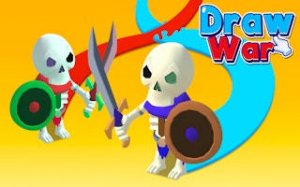
In Sketch & Conquer, drawing is the primary way to build an army. Players sketch shapes directly on the battlefield to summon soldiers, and troops appear as the drawing progresses. This means speed and precision matter: a quick, accurate sketch deploys forces sooner, while a sloppy one wastes precious seconds. Each encounter becomes a test of hand-eye coordination under pressure, blending creative input with real-time tactical decisions.
Ink as a Finite Resource
Every unit drawn consumes ink, a limited resource that must be managed throughout a match. Stronger units cost more ink, forcing a trade-off between fielding many cheap troops or a few powerful ones. Spending ink carelessly leaves you vulnerable, so planning each summon is essential. Victories earn gold, which can be used to upgrade ink capacity, allowing larger and more complex armies in later battles.
Unit Types and Battlefield Placement
The game includes several unit types such as shielded infantry, cavalry, and beasts. Each has distinct strengths and weaknesses, so adapting your drawing strategy to the enemy composition is key. Placement also matters: shielded soldiers absorb damage in front, cavalry flanks, and beasts act as shock troops. Environmental elements can be used to protect units or gain positional advantages, adding another layer to tactical decisions.
Progression and Boss Encounters
Winning battles rewards gold that can be invested in upgrading soldiers, strengthening your base, and increasing ink capacity. This progression system supports more ambitious tactics as you advance. Boss encounters present unique challenges that require observing enemy patterns and adjusting your drawing and deployment strategies on the fly. Success depends on quick thinking and resource management rather than raw unit numbers.




Editorial Notes