Freeway Dash Survival Racing
Arcade Vehicle Racing Driving Endless
Freeway Dash Survival Racing
43
Developer: Engineer Reign Labs
Updated: 2026-10-01

Reviews

Freeway Dash Survival Racing is a no-frills endless arcade driving game. Its strength lies in the simple, responsive control scheme and the random obstacle placement that keeps each run unpredictable. The lack of levels or bosses means motivation comes entirely from beating your own distance record. It suits players who enjoy short, skill-based challenges and do not need a story or complex progression.

Description

Endless Survival Driving

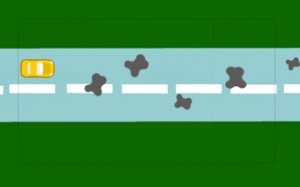
Freeway Dash Survival Racing drops you onto a continuous road where the only objective is to keep moving forward. Traffic, barriers, and slippery patches appear in random arrangements, so no two runs play the same. There is no destination or level structure; success is measured solely by how far you travel before crashing. This loop rewards quick reactions and steady nerves.

Steering with Precision

Controls are simple: on a computer, move the mouse left or right to steer. On touchscreens, tap and drag. The challenge comes from making smooth, gradual adjustments rather than sharp jerks. Overcorrecting often leads to loss of control, especially on oil slicks. Anticipating upcoming hazards and making small corrections early is the key to surviving longer.

Obstacle Types and Escalation

As distance increases, obstacles become more varied. Standard vehicles require careful lane changes, while barriers can block entire sections of road. Oil puddles demand gentle steering to avoid spinning out. The mix of these elements keeps each run unpredictable. Difficulty rises naturally, so both new and experienced players face a suitable challenge.

Progression and Session Flow

Each run tracks the distance covered, giving a clear metric for improvement. There are no levels or bosses; motivation comes from beating your own best score. The clean visual style keeps attention on the road. Runs can last from a few seconds to several minutes, and the game saves your best distance, making it easy to fit attempts into short breaks or longer sessions.


Editorial Notes

✅ Compatibility & Testing

• Desktop (Windows 11, macOS Ventura)
• Mobile (iPhone 14, Samsung Galaxy S23)
• Tablet (iPad Pro, Android tablet)
✅Supported browsers: Chrome, Safari, Edge, Firefox (latest versions)
❌ Not supported: Internet Explorer, older browser versions

Faq

What is the main goal in Freeway Dash Survival Racing?
The goal is to drive as far as possible without crashing. There is no finish line or level to complete. Your score is the distance you cover, and the game saves your best record so you can try to beat it.
How do I control the vehicle on different devices?
On a computer, you steer by moving the mouse left or right. On touchscreen devices, you tap and drag to steer. The game is designed for immediate accessibility, but smooth, deliberate movements work better than sudden jerks.
What types of obstacles will I encounter?
You will face traffic vehicles, barriers that can block entire sections of road, and slippery oil puddles. Each requires a different response: lane changes for vehicles, careful positioning for barriers, and gentle steering on oil to avoid spinning out.
Does the game have levels or bosses?
No. Freeway Dash Survival Racing is an endless runner style game with no levels or bosses. Progression is purely based on distance. The difficulty increases naturally as you travel farther, introducing more varied and frequent hazards.
How long does a typical run last?
A single run can last anywhere from a few seconds to several minutes, depending on your skill and how well you handle the increasing difficulty. The game saves your best distance, so you can play in short bursts or longer sessions.
Is there a way to practice or improve my distance?
Yes. The game rewards anticipation and smooth steering. Practice by making gradual adjustments rather than sharp turns. Focus on reading the road ahead and preparing for obstacles early. Each attempt is a fresh random arrangement, so learning to adapt is key.