Urban Pixel Dash: Panda Rescue
Reviews
Urban Pixel Dash: Panda Rescue combines automatic forward motion with tap-based steering, so the difficulty comes from traffic reading rather than complex inputs. The panda passenger gives the endless format a gentle purpose, and booster items, achievements, and car skins add reasons to replay. Changing city layouts keep runs visually varied. Players who want fast, approachable driving action with a wholesome framing will find it fits, though those seeking deep vehicle customization or realistic simulation should look elsewhere.
Description
Steering Through Traffic
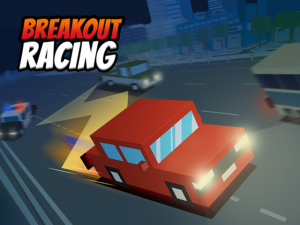
Your vehicle moves forward automatically at a steady pace, and you only control left and right steering by tapping or clicking. The challenge comes from reading traffic early: other cars, police vehicles, and fixed barriers appear along the route, and a single collision can slow you down or drain energy. Because the car responds with physics-based movement, turns have weight and momentum, so you cannot simply jerk from lane to lane. Timing each lane change around a cluster of obstacles is the core skill.
Protecting the Panda Passenger
A rare panda rides along on every run, which gives the endless driving format a clear emotional stake. The objective is not just distance but keeping the animal safe. Crashing into obstacles works against that goal by reducing energy or speed, so careful maneuvering matters more than reckless speed. This narrative layer separates the game from standard traffic dodgers and makes each run feel like a small rescue mission rather than a pure score chase.
Boosters, Energy, and Progression
Special items appear along the road and grant temporary advantages such as a speed increase or an energy refill. Collecting them at the right moment can extend a run, but chasing every item can pull you into risky lanes. Achievements unlock new car skins, and each run is rated with a five-star system while the game tracks your highest score and distance. That combination gives short sessions a reason to continue beyond a single attempt.
Changing City Backdrops
As you progress, the city backgrounds and road layouts change, so the visual setting and obstacle rhythm shift over time. Learning a map's layout helps you predict what comes next, and regular practice sharpens the reflexes needed to react when a new pattern appears. The pixelated art style keeps the tone light and readable even when the pace increases.






Editorial Notes