Logic Trail: Elemental Maze
Reviews
Logic Trail: Elemental Maze offers a relaxed but mentally engaging puzzle experience. The dual mechanics of pushing stone blocks and using water to neutralize hazards create varied, self-contained challenges. The absence of a time limit encourages experimentation and careful planning. Visual clarity keeps the focus on solving puzzles. It suits players who enjoy logic games without pressure, though those seeking action or speed will find it slow. The gradual difficulty curve accommodates both newcomers and veterans.
Description
Core Puzzle Mechanics
Logic Trail: Elemental Maze is built around two interactive elements: stone blocks and water. Stone blocks can be pushed to form bridges over gaps or to block harmful areas. Water acts as both a barrier and a tool to neutralize dangerous spots. Every puzzle requires players to combine these two elements in a specific sequence. The challenge comes from understanding how each action affects the board and planning moves accordingly.
Level Design Philosophy
Each stage is a self-contained challenge with a distinct layout. Difficulty ramps up gradually, introducing new configurations of hazards and requiring more complex sequences of moves. There is no time limit, so players can study the board and plan their approach without pressure. This design encourages thoughtful analysis rather than speed, making the game accessible to those who prefer to think through problems carefully.
Visual Clarity and Feedback
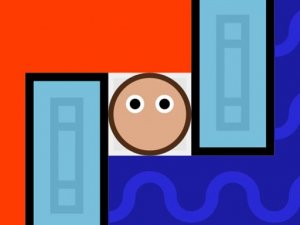
The visual style is clean and uncluttered, with each element clearly distinguishable. This clarity helps players quickly assess the state of the level and understand the effects of their actions. The straightforward presentation ensures that the focus remains on solving the puzzle, not on deciphering the interface. [IMG_1]
Progression and Replayability
The game offers a substantial number of levels, each requiring a unique solution. The absence of a time limit means players can experiment freely, trying different strategies without penalty. This structure promotes a relaxed, exploratory approach to problem-solving. The increasing complexity ensures that the game remains engaging for both newcomers and experienced puzzle fans.







Editorial Notes