Nickelodeon Digital Coloring Fun
Reviews
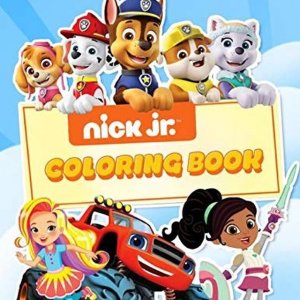
Nickelodeon Digital Coloring Fun targets families looking for a quiet, low-pressure creative activity. Its strengths are simplicity and accessibility: outlined pictures, a bright palette, undo and clear options, and no competitive elements. The browser-based format means no installation and works across devices. The main limitation is the lack of progression or variety beyond the provided pictures, so older children may lose interest quickly. Best suited for early learners and short, calm sessions.
Description
A Calm Canvas for Young Artists
Nickelodeon Digital Coloring Fun is built around a simple loop: choose a picture, pick a color, and fill the outlined sections. There are no objectives, timers, or scores. The activity runs in a web browser on computers, tablets, and phones, so it starts quickly and can be paused or stopped at any time. The interface is deliberately minimal, letting very young children participate with little or no adult help.
How a Coloring Session Works
After the activity loads, a set of outlined pictures appears. Selecting one opens a palette of bright shades. Tapping or clicking a color, then touching an area of the picture, fills that section instantly. To change a shade, the player simply picks a new color and clicks another area. An undo option reverses the last action, and a clear option resets the entire picture. Because there is no scoring or time pressure, children can experiment freely and work at their own speed.
Built for Small Hands and Short Attention Spans
The controls respond to simple taps and clicks, which suits small hands and early mouse or touchscreen skills. A variety of pictures keeps the activity from feeling repetitive, and the palette offers enough color choice to make each attempt feel personal. Everything happens inside the browser—no download, installation, or account is required. The activity contains no inappropriate material or external advertisements, so a session stays focused and calm.
Encouraging Open-Ended Play
There is no right or wrong way to color here. Letting a child choose their own palette and picture is the point. The undo button makes it easy to try a different combination without fear of ruining the artwork, and short breaks can help younger children stay engaged. The value of the activity comes from the process itself: making decisions about color, filling shapes, and seeing a personal result appear on screen.






Editorial Notes