Color Circle Arcade Game
Reviews
Color Circle Arcade Game succeeds by narrowing its design to one satisfying loop: hold to color, release to pause, and avoid white bars. The 100+ levels scale difficulty through pattern complexity rather than new mechanics, which keeps the game accessible but may feel repetitive for players seeking variety. Its calm pacing and simple controls suit short breaks and younger audiences. Those wanting deep progression or story should look elsewhere.
Description
Hold, Release, and Time Your Coloring
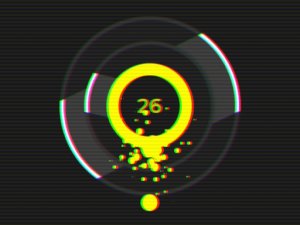
Color Circle Arcade Game is a hypercasual puzzle built on a single input: hold to color the circle, release to pause. While coloring, white bars appear as obstacles. Touching one interrupts your progress, so success depends on reading their movement and releasing at the right moment. The mechanic is simple to grasp but demands steady focus, especially as patterns grow more complex in later stages.
What Changes Across 100+ Levels
The game includes over 100 levels, each introducing new arrangements of white bars. Early stages give generous gaps and slow movement, letting you learn the hold-and-release rhythm. Later levels tighten those gaps and increase the pace, turning each screen into a timing puzzle. Because the core rule never changes, difficulty comes from pattern complexity rather than new buttons or systems. That consistency makes the game easy to return to after a break.
Who This Game Suits
With its bright visuals and one-button controls, Color Circle Arcade Game targets casual players of all ages. Sessions can last a few minutes or stretch longer, depending on how many levels you attempt. The family-friendly presentation avoids inappropriate themes. If you enjoy games that reward patience and quick reactions without lengthy tutorials, this fits that niche. Players who prefer deep progression systems or narrative may find the scope limited, but the focus on timing is clear from the start.
Practical Tips for Better Runs
Anticipate bar patterns instead of reacting late. Releasing the button to pause gives you time to plan your next coloring burst. Slowing your pace often prevents mistakes that rushing creates. Short breaks between levels help maintain concentration, and steady practice improves both timing and reflex. Celebrating small improvements keeps motivation high when a pattern feels difficult.








Editorial Notes