FreeCell Solitaire Puzzle Game
Reviews
FreeCell Solitaire Puzzle Game delivers the classic card game with a clean, modern look. The inclusion of unlimited undo and hints makes it welcoming for newcomers, while the standard rules and nearly always solvable deals provide depth for veterans. It is best suited for players who enjoy quiet, strategic thinking rather than fast-paced action. The lack of specified multiplayer or timed modes keeps the focus on solitary problem-solving.
Description
Classic FreeCell Rules, Modern Presentation
FreeCell Solitaire Puzzle Game follows the standard FreeCell setup: all 52 cards are dealt face-up into eight tableau columns. Your objective is to move every card to four foundation piles, building each suit from Ace to King. Unlike many solitaire variants, almost every deal is winnable with the right sequence of moves, so success depends on planning rather than luck. The interface is clean and intuitive, making card values and suits easy to read at a glance.
How Moves Work and Why They Matter
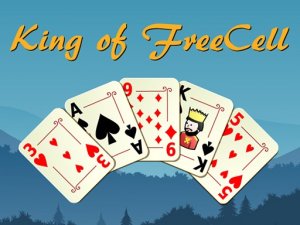
Only the top card of each tableau column can be moved. You build descending sequences of alternating colors—for example, a red 7 on a black 8. Four free cells at the top hold one card each, giving you temporary storage to rearrange blocked columns. The foundation piles accept cards in ascending order by suit. Each move either opens new options or restricts future ones, so thinking several steps ahead is essential. [IMG_1]
Tools That Reduce Frustration
Unlimited undo lets you reverse any number of moves without penalty, encouraging experimentation. A hint button offers a suggested move when you are stuck. These tools make the game accessible to beginners while preserving the depth that experienced FreeCell players expect. The game is suitable for all ages and skill levels, and it can be played in short sessions or longer breaks.
Strategies for Better Results
Prioritize moving Aces and low cards to the foundations early to free tableau space. Reserve free cells for critical cards rather than using them as general storage. If progress stalls, undo recent moves and try a different sequence. Regular practice improves your ability to spot alternating-color sequences and plan efficient solutions.







Editorial Notes