Magic Tiles Piano Music Arcade
Reviews
Magic Tiles Piano Music Arcade delivers exactly what its name suggests: a tile-tapping rhythm game built around black and white tiles. Its strengths are the varied instrument choices, a song library that spans Beethoven to Havana, and a tempo that rises as you play. The lack of complex progression keeps it accessible for all ages. The main limitation is that it demands constant focus, so it may not suit players seeking a slower pace. It works best as a short-session reflex game for music fans.
Description
Tap-to-the-Beat Basics
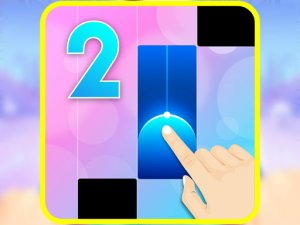
Magic Tiles Piano Music Arcade turns your screen into a virtual piano. Black tiles appear in time with a chosen song, and your job is to tap each one as it reaches the hit line. White tiles must be left alone; hitting them breaks the melody. The game tests speed and attention rather than musical training, so anyone with a keen ear and quick reactions can join. As you play, the tempo gradually increases, turning a simple tap sequence into a genuine reflex challenge.
Instruments and Song Library
The game includes a range of instruments: piano, guitar, violin, saxophone, and drums. Each instrument changes how the melody sounds, though the core tapping mechanic stays the same. The song list spans classical pieces like Beethoven to modern pop hits such as Havana, so players can move between familiar and new material. Albums group songs by style, giving some structure to the library without forcing a specific order.
Progression and Friendly Competition
There is no complex skill tree or unlock system described. Instead, progress comes from improving your tapping speed and accuracy. A master's speed challenge is available for advanced players who want to test themselves against faster tempos. You can also challenge friends to see who achieves the higher score, which adds a social layer to the reflex gameplay. The controls are easy to master, keeping the focus on rhythm and reaction time.
Who It Suits
Because the rules are simple and the music covers many tastes, the game is designed for players of all ages. Casual gamers can enjoy short sessions, while music lovers may appreciate the instrument variety and song selection. The family-friendly presentation avoids graphic content. The main limitation is that success depends heavily on timing and concentration, so players who prefer slower, strategic games may find the pace demanding.






Editorial Notes