Pasta Noodles Jigsaw Puzzle
Reviews
Pasta Noodles Jigsaw Puzzle delivers exactly what its name suggests: one 64-piece image, simple drag-and-drop controls, and no timers or penalties. The food theme adds visual charm, while the absence of pressure makes it approachable for children and adults alike. Its main limitation is scope—there is a single puzzle rather than a gallery of images, so replay value depends on how much you enjoy rebuilding the same picture.
Description
A Calm Take on Classic Jigsaw
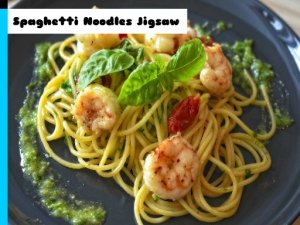
Pasta Noodles Jigsaw Puzzle uses the familiar drag-and-drop formula but removes the pressure. There are no countdown clocks, no move limits, and no penalties for placing a piece incorrectly. The only goal is to rebuild a single colorful image of pasta noodles from 64 scattered pieces. That stripped-back structure makes it easy to pause mid-session and return later without losing progress or facing a time penalty.
How the Puzzle Plays
Each piece begins spread across the screen. You click or tap a piece, drag it toward the board, and release it where you think it belongs. A correct placement snaps the piece into position. Some puzzles in this style allow rotation to help match the image, so pieces may need to be turned before they fit. [IMG_1] The absence of a timer means you can study the image, test placements, and rearrange your approach as often as you like.
Visual Theme and Audience
The food-themed artwork gives the puzzle a light, playful look that separates it from generic landscape or abstract jigsaws. Because the image is a single pasta scene, the challenge comes from distinguishing similar noodle strands and background areas rather than from managing multiple levels. The game is built for a wide age range, from children to adults, and the simple controls work on various devices without requiring prior puzzle experience.
Practical Tips for Finishing
Sorting pieces by color or pattern before placing them reduces guesswork, especially when noodle strands look alike. Building the outer edges first creates a frame that makes the center easier to fill. If you feel stuck, stepping away and returning with fresh eyes often helps. Rotating a piece can reveal a fit you missed, and since there is no time pressure, working at your own pace is the intended approach.







Editorial Notes