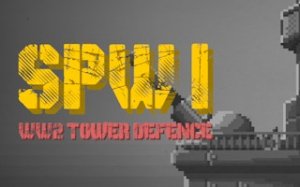
Eastern Front Tower Defense
Reviews
Eastern Front Tower Defense targets players who prefer planning over reflex. The command point system forces genuine trade-offs between building, upgrading, and repairing, while changing enemy waves punish static layouts. The historical setting adds context without overwhelming the mechanics. Its main limitation is that the description offers no detail on unit variety or map count, so players seeking extensive content should look for more specifics before committing.
Description
Defending the Northern Plains
The game drops you into the summer of 1943 on the Eastern Front, where your division holds a stretch of the northern plains. Each encounter begins with a survey phase: you study the battlefield and decide where enemy forces will push. Command points serve as your only currency for construction, so every tower, bunker, and obstacle represents a trade-off. Placing a bunker on one path leaves another thinner. The historical framing is not decorative; it shapes the defensive tools available and the pace at which waves arrive.
Reading the Battlefield
Once combat starts, static plans rarely survive contact. You monitor the flow of enemies, repair structures that take damage, and shift reserve units to wherever the line is buckling. Commander abilities function as emergency levers, best saved for moments when a breach looks inevitable. Because enemy waves change over time, a layout that worked in one encounter can fail in the next. The game rewards players who watch patterns and adjust rather than those who build once and wait.
Command Points and Trade-offs
Resource management sits at the center of every decision. Command points must cover construction, upgrades, repairs, and reserves, so spreading them evenly tends to weaken the whole line. The more effective approach is to identify the most threatened corridor and concentrate defenses there, accepting thinner coverage elsewhere. This tension between offense and defense, and between building new structures and maintaining existing ones, gives each wave a distinct tactical problem.
Accessible Depth for Strategy Players
Controls stay simple, keeping attention on planning rather than complex inputs. The progressive campaign raises difficulty over time, which suits newcomers who want to learn the system and experienced strategy players looking for a steady challenge. Clear performance feedback after each encounter helps players understand what went wrong and refine their next attempt. History enthusiasts may find the period setting adds context to the defensive decisions.








Editorial Notes